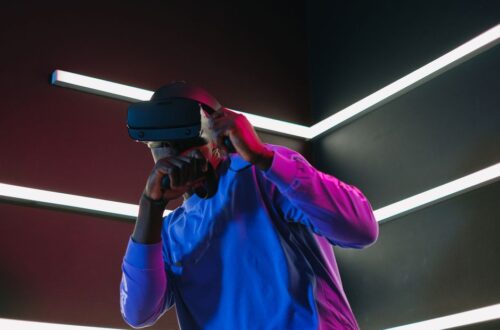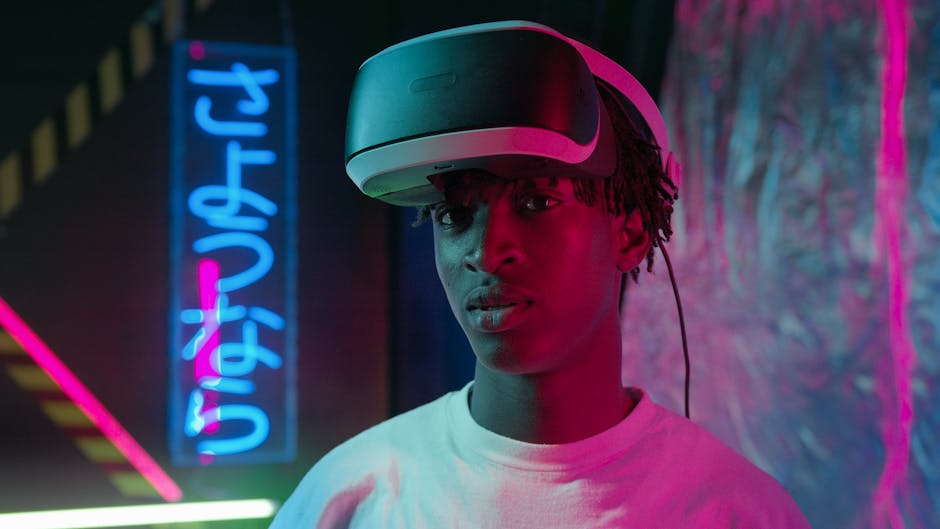
Immersive storytelling revolutionizes how stories are told, drawing audiences into a vivid, participatory experience. By engaging multiple senses, it enhances emotional connections and interactivity, making narratives more impactful.
The Rise of Immersive Storytelling
As technology evolves, so does the art of storytelling. Virtual Reality (VR) and Augmented Reality (AR) are at the forefront, creating environments that blur the lines between fiction and reality. These technologies offer storytellers new avenues for creativity, transforming passive consumers into active participants.
Emotional Engagement and Interactivity
Immersive storytelling elevates emotional engagement by allowing audiences to play a role in narrative progression. This interactivity breathes life into stories, fostering personal connections and enhancing retention.
The Future of Narrative Experiences
The future promises even greater innovations, with Artificial Intelligence and haptic feedback expanding immersive storytelling's boundaries. As these technologies become more accessible, traditional storytelling methods will increasingly incorporate immersive elements.
In conclusion, immersive storytelling is redefining the narrative landscape. By harnessing cutting-edge technologies, it offers enriched and substantive experiences that deeply resonate with audiences, marking a significant shift in the way stories are perceived and consumed.