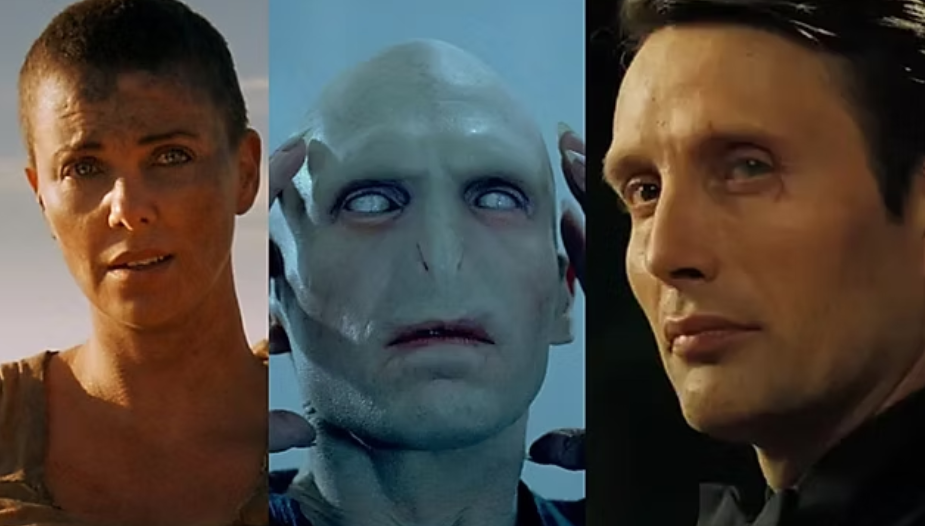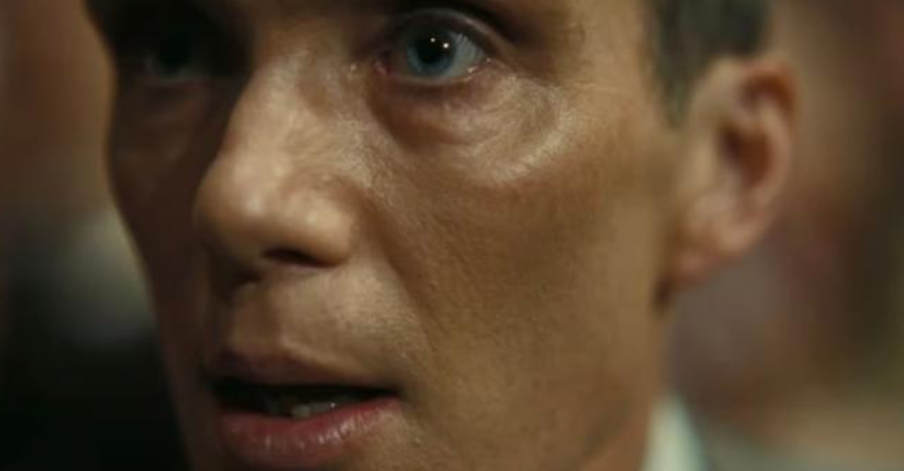
Some performances shout. Others linger.
The performances that stay with audiences long after the screen fades rarely rely on volume, spectacle, or obvious emotional release. Instead, they operate through restraint — pauses, withheld reactions, controlled expressions that suggest more than they reveal. Subtle acting does not demand attention; it earns it.
When Less Becomes More on Screen
Subtle performances are built on intentional limitation. Actors working in this register resist the urge to explain emotion for the viewer. Instead, they allow silence to do the work. A held breath, a delayed response, or a steady gaze can communicate internal conflict more effectively than dialogue.
This approach respects the audience’s intelligence. Viewers are invited to participate, to read between moments rather than be instructed how to feel. The result is engagement that feels personal rather than imposed.
Control as an Emotional Language
Restraint is not emotional absence. It is emotional discipline.
Actors who master subtlety understand that control creates tension. By containing emotion, they generate pressure beneath the surface. When cracks finally appear — a shift in posture, a change in rhythm — the impact feels earned.
This technique mirrors real human behavior. People rarely express their deepest emotions cleanly or on cue. Subtle performances reflect that truth, making characters feel lived-in rather than constructed.
The Role of Camera and Framing
Subtle acting thrives in close proximity. Modern television and cinema often rely on tight framing, allowing minimal expression to carry weight. In these conditions, exaggerated movement feels artificial.
Actors adjust accordingly. Micro-expressions replace gestures. Timing replaces intensity. The performance becomes a collaboration between actor and camera, where stillness can be louder than action.
Why Audiences Remember These Performances
Subtle performances embed themselves in memory because they leave space. They do not resolve everything emotionally within a scene. Questions remain. Interpretations vary.
This ambiguity invites revisiting. Viewers recall moments not because they were dramatic, but because they felt unresolved. The performance continues beyond the screen, replayed internally as meaning shifts over time.
Craft Over Charisma
Subtle acting is often mistaken for natural charisma. In reality, it requires precision. Knowing when not to act is as demanding as knowing when to push forward.
Actors working in this mode rely heavily on preparation — understanding character psychology, internal motivation, and emotional rhythm. Improvisation is minimal. Every pause is deliberate.
The Risk of Subtlety
Restraint carries risk. Without control, subtle performances can slip into flatness. The difference lies in internal activity. When nothing is happening internally, nothing reaches the audience.
True subtlety vibrates beneath the surface. It is felt even when unseen.
Why This Style Defines Modern Screen Acting
Contemporary audiences are fluent in visual language. They recognize emotional shortcuts and reject manipulation. Subtle performances align with this sophistication.
Rather than telling stories loudly, modern acting increasingly trusts quiet moments. And in those moments, the most disciplined performances leave the deepest mark.