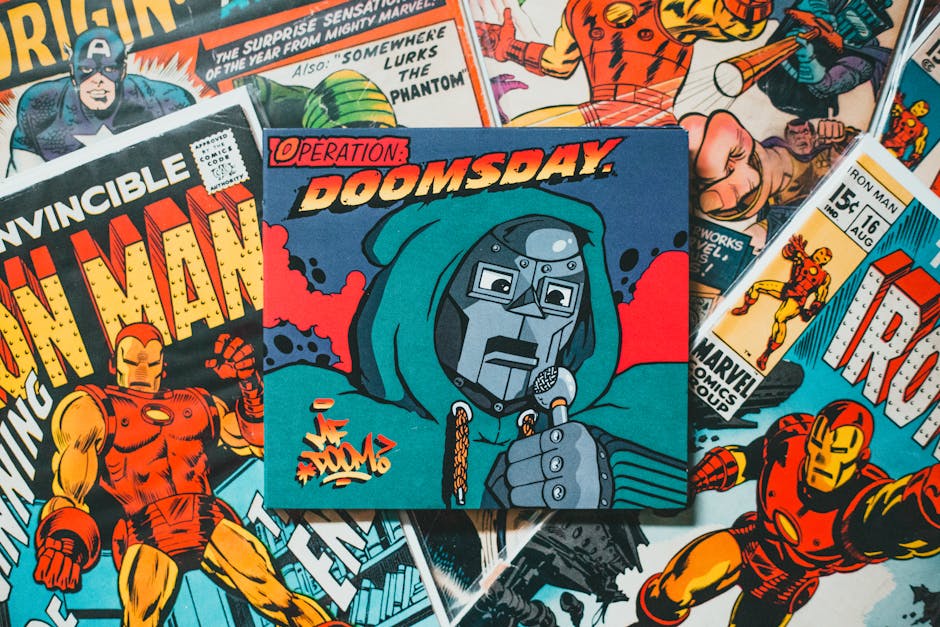
From ancient cave drawings to modern graphic novels, art and storytelling have been powerful allies in human expression. This collaboration between two creative forces defines cultures, sparks imagination, and bridges gaps across generations.
The Historical Significance of Art in Storytelling
Art has served as a historical record, preserving stories before the written word. Ancient civilizations used murals and carvings to depict their myths and legends. These visual narratives not only entertained but also educated, providing insights into the values and beliefs of past societies.
How Art Amplifies the Narrative Experience
Integrating art into storytelling creates a multi-sensory experience. Through vivid imagery, audiences can visualize narratives, fostering a deeper emotional connection. Illustrators enhance tales by adding layers of meaning and emotion, crafting a story that resonates beyond the text.
Modern Innovations: Digital Storytelling and Art
Today's digital age has revolutionized storytelling, with multimedia platforms offering new opportunities for artistic exploration. From animated films to interactive webcomics, art breathes life into stories, engaging audiences in innovative and immersive ways.
Conclusion
In essence, art is not merely an accessory to storytelling but a vital component that enriches and transforms the narrative journey. As technology evolves, the timeless partnership between art and storytelling continues to thrive, captivating and inspiring imaginations worldwide.